
Learning to Forget the Hurts.
But what if forgetting our pain makes us lose the precious moments, too?

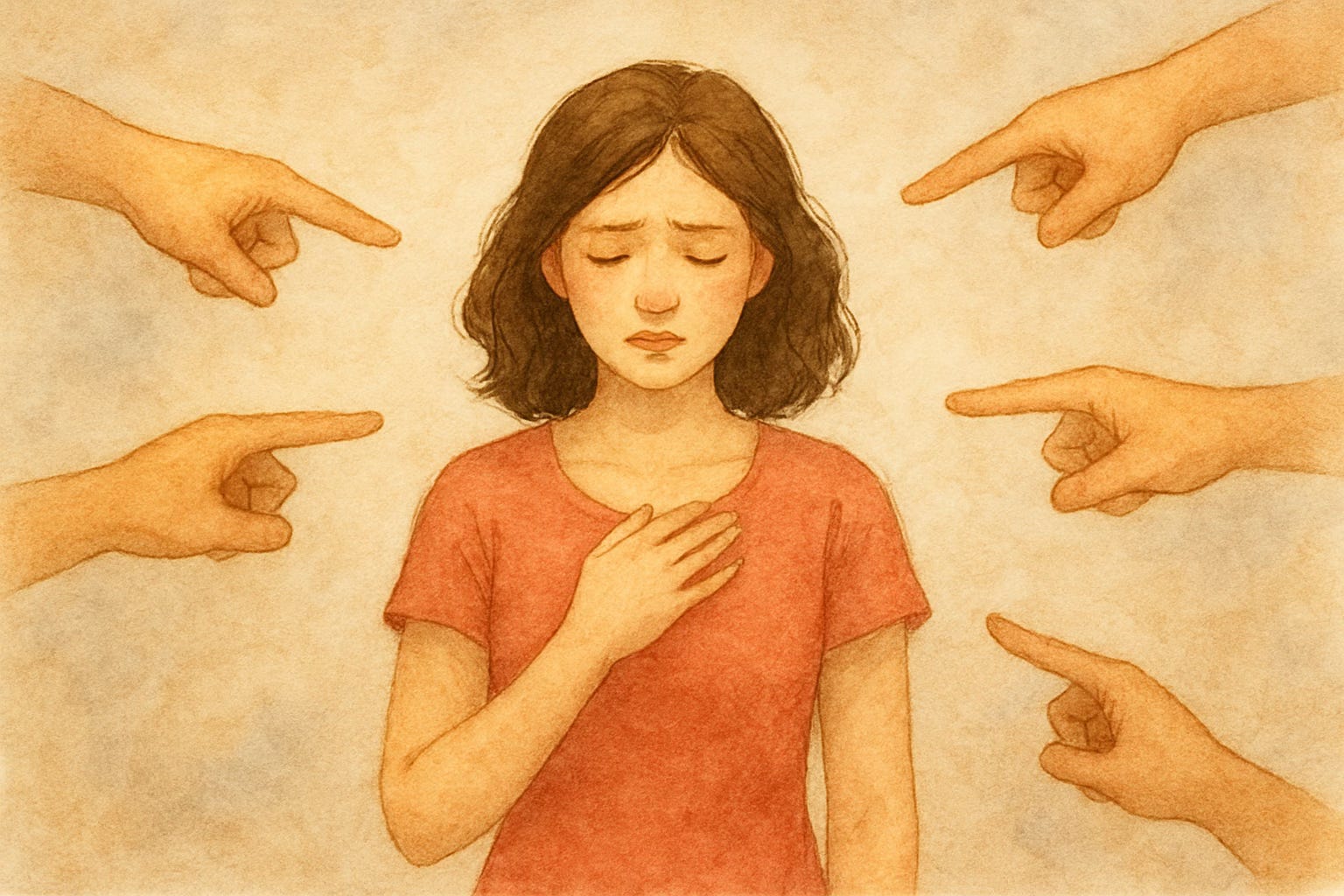
I’ve always prided myself on letting go of wrongs. I believed, because they were beyond my recall, I’d let the painful things go. My sister would ask, “Do you remember the time [Mom] did [whatever] to us?”
“No,” I’d say. “And I don’t want to.” Isn’t that what we’re supposed to do? Turn the other cheek?
Say you got cheated out of your turn to be the princess in a childhood game. “Forget about it. It’s just a silly game,” your mom told you. Even if you were crying. Or someone snubbed you at work. “Just let it go. It’s not worth it,” your friends said. Even though you were steaming mad.
From a very young age, I listened. I didn’t dwell on the venomous stings of life. In the same way, I let go of the time I was hospitalized for three weeks as a teenager. I put aside the night I was raped. Of course, I remember those things happened. I just didn’t save the details. But now I’m more than half-way through a six-month program* to write my memoir, and these malignancies are revealing themselves.
Perhaps it was the fear of being blamed that started my forgetting. Fear of reliving an experience over and over that caused me to shove it deep into my dark and dirty closet of shame. Years later, when I peeked inside that door, fear of discovering my father’s negligence might be responsible made me slam it shut again.
I’d suspected for a while that I was wrong about the nature of my forgetting. Two years ago, I helped a good friend pack to leave the islands. She pulled out a photo album and we sat to reminisce. We smiled at pictures of us at the park when our kids were little, together at fancy events, dressed up for Halloween. She turned to a two-page spread of us at a party and started laughing.
I peered at the pictures and frowned. “When was this?”
She stared at me. “My 40th birthday, Lys.”
I studied several of the pictures, anxiety rising up my throat. The only thing that looked familiar was the skirt I was wearing. I’d been clinically depressed the year we turned forty. I couldn’t even place the venue. When I glanced up, she had a funny look on her face. My panic took over. I was too embarrassed to tell the truth. Too afraid to hurt her feelings. I forced a smile.
“Oh, yeah,” I lied. “Look how young we were.” But how many happy memories have I lost because I taught myself to forget the bad times?
It turns out I hadn’t let go of my pain at all. I’d done the exact opposite of letting go. I’d absorbed the pain into my body on a cellular level. Given these hurtful, harmful incidents a perpetual free ride; for decades. And the only way to get them out was to dig them up by hand. I’d have to poke around and scrabble for what I never wanted to see again.
“Trauma isn’t what happened to you. It’s what happened inside of you as a result.” —Dr. Gabor Maté
And as I mine my memories, I find it’s like pulling weeds in the garden—I can’t simply yank on the first thing I see—I need to water the ground, soften it with a willingness to look; choose my moment, when the weather is fair, then reach into the deep, dark places and gently ease these secrets out by the roots.
I’ve been doing the work. Looking honestly at disturbing incidents from my past. And just like the Bermuda grass invading my flower garden, a single memory may be linked to an underground chain of events.
But here’s the thing. I’m getting lighter with each episode I dig up and purge. I’m getting faster and better at releasing them onto the page where they can’t hurt me anymore. I see these things with new eyes, because Dr. Maté is right. It was holding them inside me that caused the trauma.
Now, they’re simply things from my past. Over. Benign. I’m bringing my past fears into the present light and healing them with compassion for the me I used to be.
*If you’re thinking of dipping your toes into memoir, I highly recommend the class I’m taking from Brooke Warner and Linda Joy Myers. Read more here: https://writeyourmemoirinsixmonths.com/program-details/
You are so wise and compassionate in your recalling and writing; I believe, in your eloquence, you are less the student and more the teacher now. Definitely for me.
As always, you find a way to share beauty in the midst of pain. thanks for including us in your journey.